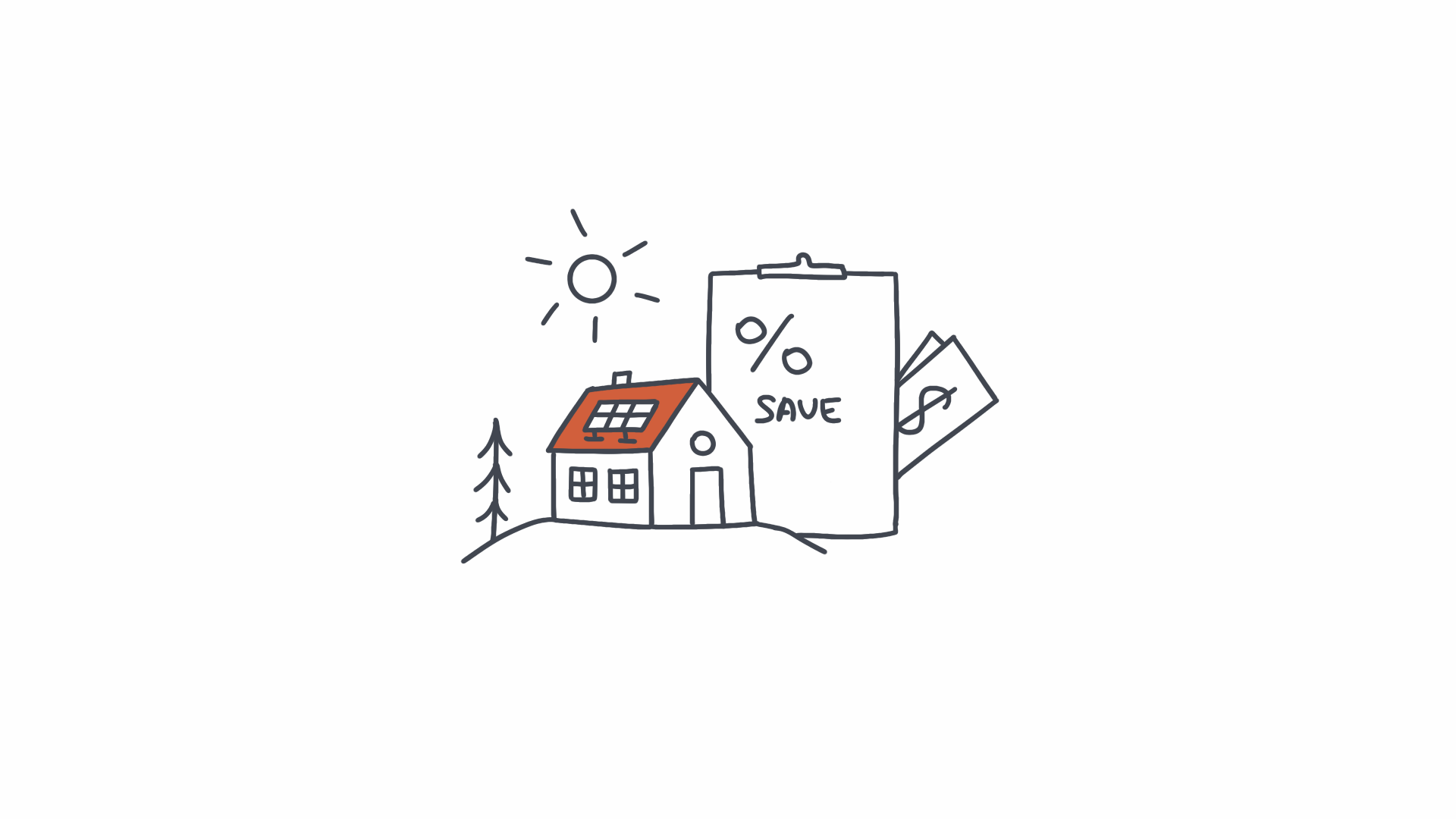
"Can a Sustainable Home Actually Save You $2,000 a Year?" argues that the "green premium" of eco-friendly materials is a strategic investment rather than a mere expense.

Can a Sustainable Home Actually Save You $2,000 a Year?
Editorial Series: The Modern Homeowner’s Guide
The Math Behind the Green Premium
Whenever the topic of sustainable building materials comes up, the first question is almost always about cost. It is a well-known fact in the construction and renovation industry that high-performance, eco-friendly materials often carry a "green premium"—a higher upfront price tag compared to standard, builder-grade alternatives.

This upfront cost makes many homeowners hesitate. But viewing a renovation purely through the lens of the initial purchase price is a fast way to lose money in the long run. The real question isn't just what a material costs to buy; it is what it costs to operate and maintain over the next decade. When you run the numbers on energy, water, and replacement costs, the claim that a sustainable home can save you $2,000 (or more) a year isn't a marketing exaggeration—it is basic math.
Stopping the Thermal Bleed
The vast majority of a home's utility costs go toward heating and cooling. If you live in an older home with standard insulation, hollow doors, and double-pane (or worse, single-pane) windows, you are essentially paying to heat and cool the neighborhood.
Upgrading the "envelope" of your home is where the most dramatic financial returns happen. High-performance, triple-pane windows with Low-E coatings act as a fortress against thermal transfer. When paired with solid-core exterior doors that feature advanced weather stripping, you stop the invisible leaks that cause your HVAC system to run 24/7. In regions with extreme summers or harsh winters, creating an airtight, highly insulated envelope can slash monthly heating and cooling bills by 20% to 30%, keeping hundreds of dollars in your pocket every single season.
The Compound Savings of a 'Cool Roof'
Your roof takes the absolute hardest beating from the elements. A traditional dark asphalt roof acts like a sponge for solar radiation, soaking up heat and baking the attic directly beneath it. This forces your air conditioning to work overtime.
Investing in a sustainable roofing system—like reflective metal shingles or composite tiles engineered with "cool roof" technology—literally bounces that solar energy back into the atmosphere. The immediate result is a dramatically cooler attic and a lower AC bill. But the secondary, often overlooked saving is the prolonged lifespan of your HVAC unit itself. When your air conditioner doesn't have to run constantly to fight a hot roof, it lasts years longer, saving you from a massive, premature replacement bill.
The Longevity Dividend: Buying It Once
Utility bills are easy to track, but the largest financial benefit of a sustainable home is often the money you don't have to spend on repairs and replacements. This is the concept of the "longevity dividend."
Cheap, mass-produced materials are designed with planned obsolescence. Laminate floors warp and chip, hollow doors puncture, and standard asphalt roofs need to be entirely replaced every 15 to 20 years. Sustainable materials are defined by their durability. Solid hardwood floors can be sanded and refinished multiple times over a century. A high-quality metal roof can easily last 50 to 70 years. Premium, unlacquered brass hardware won't need to be swapped out because a cheap finish flaked off.
When you factor in the thousands of dollars saved by not having to replace your floors, doors, or roof a decade from now, that $2,000-a-year savings estimate actually starts to look conservative.
An Investment, Not an Expense
Treating a renovation as an expense means looking for the cheapest possible option. Treating it as an investment means looking for the highest return. By choosing high-performance windows, intelligent roofing, and durable, sustainable finishes, you are actively protecting your bank account against rising utility rates and inevitable repair costs. It is the smartest financial move a modern homeowner can make.
Apr 15, 2026


